
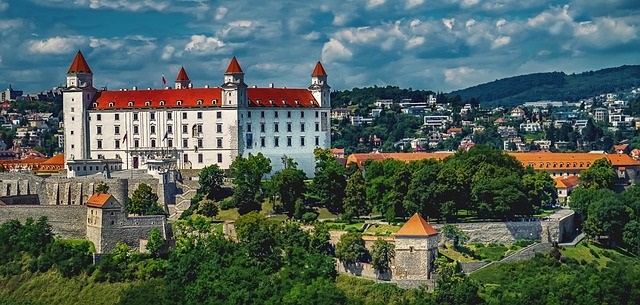

Overview of Small Business Registration in Slovakia
Importance of Registering Your Business
When I first considered launching my small business in Slovakia, I quickly realized how crucial it was to register my venture. Not only does registration provide legal protection, but it also enhances credibility with customers and suppliers. Here are a few key reasons to register:
- Legitimacy: Establishes you as a formal business entity.
- Access to funding: Opens doors to loans and grants.
- Brand protection: Safeguards your business name and trademark.
Types of Small Businesses in Slovakia
Slovakia boasts a diverse entrepreneurial landscape, making it a fantastic place for aspiring business owners. Here are some popular types of small businesses thriving in the region:
- Retail Shops: Offering goods from clothing to grocery.
- Service Providers: From consulting to cleaning services.
- Freelancers and Startups: Tech-based and creative industries are booming.
As you can see, registering your business is the gateway to numerous opportunities!

Understanding the Legal Requirements
Legal Structures for Small Businesses
Now that we’ve explored the importance of registration, let’s dive into the legal side of things. Choosing the right legal structure is a pivotal step for any small business owner in Slovakia. I remember being torn between options like:
- Sole Proprietorship: Simple setup, perfect for individual entrepreneurs.
- Limited Liability Company (s.r.o.): Offers liability protection for personal assets.
- Partnership: A great way to share resources and responsibilities with others.
Each structure has its own advantages, so consider what fits your vision best!
Licenses and Permits Needed
Once you’ve settled on a structure, the next step is obtaining the necessary licenses and permits. Depending on your industry, you might need:
- Trade Licenses: Essential for most businesses.
- Health and Safety Permits: Important for food-related businesses.
- Environmental Permits: Needed if your business impacts the environment.
I can’t stress enough how crucial it is to do your homework here! Proper licensing not only keeps you compliant but also boosts your professional reputation.
Step-by-Step Guide to Registering a Small Business
Choosing a Business Name
With the legal requirements under our belt, it’s time to get creative! Choosing the right business name is not just fun, it’s essential. I remember brainstorming names for my own venture, wanting it to resonate with my target audience. Here are some tips for picking the perfect name:
- Keep it simple: Easy to remember and spell.
- Reflect your brand: It should communicate your services or values.
- Check availability: Ensure it’s not already in use by another business.
Registering with the Trade Register
Once you’ve settled on that catchy name, it’s time to officially register with the Trade Register. This process is straightforward and can often be done online. Here’s a quick run-through of the steps:
- Complete the application form: Provide all necessary details about your business.
- Submit required documents: These could include your business plan, ID, and proof of address.
- Pay the registration fee: This varies based on your business type.
Taking these steps not only secures your business name but also paves the way for your entrepreneurial journey!

Tax Obligations for Small Businesses
VAT Registration
Now that your business is registered, let’s tackle an important aspect: tax obligations. One of the first things I learned was that VAT registration is key for many small businesses in Slovakia. If your annual turnover exceeds €49,790, you’ll need to register for Value Added Tax (VAT). Here’s what you need to know:
- Obligatory: If your sales surpass the turnover threshold.
- Collecting VAT: You’ll charge and collect it via invoices.
- File returns: Regularly file VAT returns to maintain compliance.
Corporate Income Tax
In addition to VAT, understanding corporate income tax is crucial. Like many entrepreneurs, I found navigating this area a bit confusing at first! Here are some essentials:
- Tax rate: The standard corporate income tax rate in Slovakia is 21%.
- Deductions: Make sure to track all business-related expenses, as they can be deducted.
- Filing deadlines: Be aware of the deadlines for annual tax returns to avoid penalties.
Mastering these tax obligations will help you maintain a healthy financial standing as you grow your business!
Employment Regulations and Social Security Contributions
Hiring Employees
As your small business grows, hiring employees becomes an exciting possibility! Reflecting on my own journey, I remember how daunting it felt to navigate employment regulations. Here are key steps to consider when hiring:
- Job Descriptions: Clear and concise job listings attract the right candidates.
- Interviews: Take time to conduct thorough interviews to evaluate skills and fit.
- Contracts: Always provide written employment contracts outlining terms and conditions.
Social Security Obligations
With employees in place, understanding social security obligations is essential. In Slovakia, employers must contribute to social security, which includes health, pension, and unemployment insurance. Here’s what to keep in mind:
- Contribution Rates: Employers typically contribute about 35.2% of an employee’s gross salary.
- Registration: Ensure your employees are registered with the Social Insurance Agency.
- Timely Payments: Make regular contributions to avoid fines.
Comprehending these aspects not only keeps you compliant but also helps you build a respectful working environment for your employees!
Business Support and Resources in Slovakia
Support for Small Businesses
As I ventured into the world of entrepreneurship, discovering support resources in Slovakia was a game changer! The government and various organizations offer fantastic assistance for small businesses. Here are a few valuable resources you might find helpful:
- SBA (Slovak Business Agency): Provides free consultations and workshops.
- EU Funding Programs: Access to grants and financial support for innovative projects.
- Local Chambers of Commerce: Great for insights and advice on regulations specific to your area.
Networking Opportunities
Building a network is just as vital as acquiring resources. I still cherish the connections I made at various networking events! Here’s how to tap into Slovakia’s networking scene:
- Conferences and Workshops: Attend industry-related events to meet like-minded entrepreneurs.
- Local Meetups: Join groups focused on your business interests to share experiences.
- Online Communities: Engage in social media groups where small business owners exchange tips and challenges.
These connections can open up new avenues for collaboration and growth, making your entrepreneurial journey even more rewarding!

Conclusion and Final Tips
Recap of the Registration Process
As we wrap up, let’s recap the key steps in registering a small business in Slovakia. From choosing a captivating business name, navigating legal structures, to completing your registration with the Trade Register, each step is vital in laying a solid foundation. Don’t forget the importance of understanding your tax obligations and employment regulations!
Useful Tips for Small Business Owners
Reflecting on my journey, here are some final tips that made a difference for me:
- Stay Organized: Keep all documents handy for smooth operations.
- Network Constantly: Attend events and meet others in your field.
- Seek Feedback: Regularly reach out to customers for insights to improve.
Remember, the road to entrepreneurship is an adventure. Embrace it and enjoy the ride!
No responses yet