
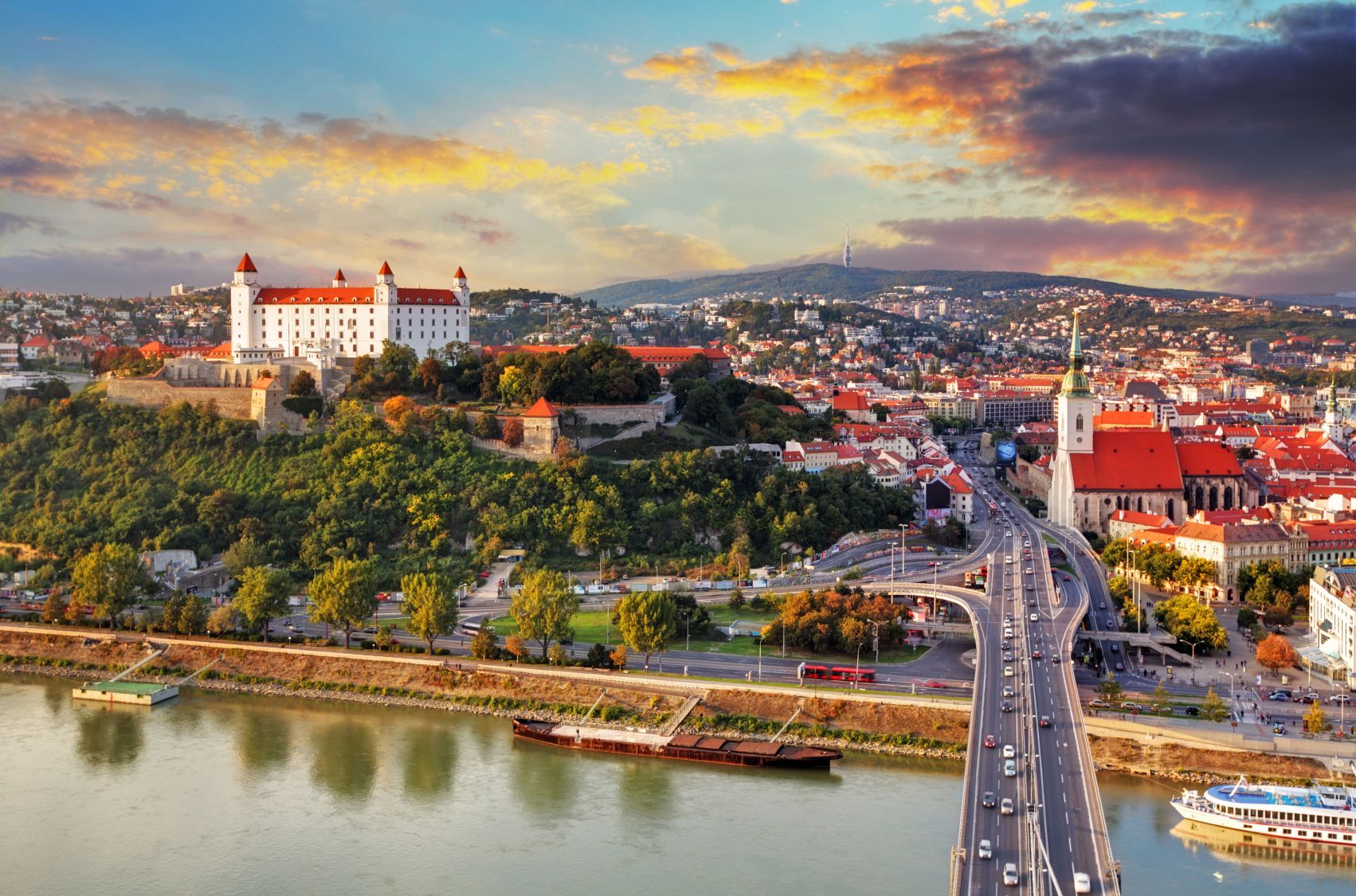

Preparing for Life Abroad as a Slovak Expat
Researching Your Destination Country
Before embarking on this exciting journey, diving deep into research about your destination country is essential. I remember when I decided to move to Spain; I spent countless hours online learning about the culture, climate, and local customs. Here are some key areas to focus on:
- Cultural Norms : Understanding social etiquette can make your integration smoother.
- Cost of Living : Find out what to expect in terms of rent, groceries, and transportation.
- Local Language : Familiarizing yourself with basic phrases can be incredibly helpful.
Understanding Legal Requirements
Navigating legal requirements is a crucial step in preparing for life abroad. Each country has its own rules, and I was surprised to learn how much paperwork I needed for my move.
- Visas and Work Permits : Research what type of visa you’ll need. Some countries have specific guidelines for expats.
- Registration Process : Some nations require expats to register with local authorities upon arrival.
- Health Insurance : Don’t forget to check if you need local health insurance or if your Slovak coverage extends abroad.
Taking time to understand these aspects can save you from potential headaches later on.
Settling into Your New Home
Finding Accommodation
Once you’ve managed the paperwork and embraced the thrill of your new adventure, the first practical step is finding a place to call home. I still vividly recall my struggle to find the perfect apartment in Barcelona. Here’s what helped me:
- Online Platforms : Websites like Idealista or Airbnb provide great options for both short-term and long-term rentals.
- Local Classifieds : Explore local newspapers or community bulletin boards; you might find hidden gems.
- Networking : Don’t hesitate to ask locals or expat groups for recommendations. Connections can lead to fantastic opportunities.
Setting Up Utilities
After securing accommodation, it’s time to make your new place functional. Setting up utilities can feel overwhelming, but it doesn’t have to be.
- Water, Gas, and Electricity : Contact the utility providers promptly; some places may require you to set up accounts before your arrival.
- Internet and Phone : Research different service providers. I found comparing packages saved me both time and money.
- Documentation Ready : Keep required documents handy, such as identification and proof of residence, to expedite the setup process.
Establishing your utilities smoothly will help you settle in and enjoy your new surroundings even more!

Navigating Cultural Differences
Understanding Local Customs
After settling into my new home, I quickly realized that embracing local customs was key to truly feeling at home. Each culture has its unique quirks, and understanding them can greatly enhance your experience. For instance, when I moved to Italy, I learned the significance of greetings – a simple “Buongiorno” could open doors!
- Dining Etiquette : In some countries, it’s polite to wait for the host to start eating.
- Public Behavior : Be aware of the personal space norms; they can vary widely.
- Holidays and Traditions : Participating in local festivities can provide rich insights into the culture.
Building a Support Network
Once you grasp the local customs, building a support network becomes essential. I remember feeling slightly lost in the beginning, but connecting with others helped tremendously.
- Join Expat Groups : Online platforms like Meetup or Facebook groups can connect you with fellow expats.
- Attend Local Events : Participating in community gatherings is a fantastic way to meet people.
- Language Exchange Partnerships : Find locals interested in learning Slovak; they can also help you practice the local language.
Establishing friendships and a support system can really ease the transition and enrich your experience abroad!

Managing Finances and Healthcare
Opening a Bank Account
Once I had my support network in place and was starting to feel at home, the next step was managing my finances. Opening a local bank account was a top priority for me. It not only simplified transactions but also made me feel more integrated. Here’s how I approached it:
- Research Local Banks : I explored various banks to find one that offered services tailored for expats.
- Documentation Required : Typically, you’ll need your passport, proof of address, and sometimes employment details. Be prepared!
- Compare Fees : Understanding account fees, including international transfers, can save you money in the long run.
Accessing Healthcare Services
Now that my finances were sorted, prioritizing healthcare came next. Accessing healthcare services in a foreign country can be daunting, but here’s what worked for me:
- Research Local Healthcare Providers : I gathered information about nearby clinics and hospitals and their credibility.
- Understand Your Coverage : Check if your health insurance from Slovakia covers expat treatment and what local services are included.
- Register with a Local Doctor : This step is crucial for routine check-ups or emergencies. Upon getting established, I found a general practitioner who spoke Slovak, which greatly helped!
Managing these crucial areas ensures a smoother transition, allowing you to focus on enjoying your new adventure abroad!

Working and Career Development
Job Hunting Tips
With my healthcare and finances secured, I turned my attention to finding a job—an essential step for both personal fulfillment and financial stability. I remember feeling a mix of excitement and anxiety about job hunting in a new country, but a few strategies made it manageable:
- Tailor Your CV : Adapt your resume to match local expectations. I learned that highlighting specific skills relevant to the job market was crucial.
- Utilize Job Boards : Websites like LinkedIn, Glassdoor, and local job portals became my go-to resources.
- Consider Temp Agencies : They provided great opportunities to get my foot in the door while I searched for the right long-term position.
Professional Networking
As I navigated the job hunt, I quickly realized how vital networking is in a new country. Building connections not only opens up job opportunities, but it can also help you feel more integrated. Here’s how I approached it:
- Attend Industry Events : I joined conferences and seminars, which were perfect for meeting professionals in my field.
- Leverage Social Media : Platforms like LinkedIn allowed me to connect with colleagues and industry leaders, and I made it a point to engage in relevant discussions.
- Join Local Professional Groups : These groups were invaluable for networking; they often held meet-ups that provided both social interaction and career advice.
By focusing on these strategies, I was able to create a strong foundation for my career in my new home, setting the stage for exciting opportunities!

Social Integration and Leisure Activities
Joining Local Clubs or Groups
After settling into my job, it became clear that social integration was the next step in making my new home feel like, well, home! I discovered that joining local clubs or groups was not only enjoyable but also a fantastic way to meet new friends. Here’s what worked for me:
- Sports Teams : I joined a local soccer club, where I not only got to exercise but also bonded with teammates over shared interests.
- Hobby Groups : Whether it’s yoga, pottery, or book clubs, these groups welcome newcomers with open arms. I found a painting class that reignited my passion for art!
- Language Exchanges : Participating in language exchange groups allowed me to practice the local language while helping others learn Slovak.
Exploring the Local Cuisine
As my social life blossomed, I also embraced the culinary scene. Simply put, exploring local cuisine was one of my favorite parts of living abroad! Each meal turned into an adventure, and here’s how I made the most of it:
- Food Festivals : I attended various food festivals that celebrated both traditional dishes and modern twists. It was a feast for the senses!
- Cooking Classes : I enrolled in a cooking class focused on local dishes, allowing me to connect with locals while honing my culinary skills.
- Dining Out : I made it a point to explore different restaurants each week, discovering hidden gems and popular spots that showcased the country’s rich flavors.
These experiences not only enriched my palate but also deepened my connection to the culture, helping me to feel more at home each day!

Overcoming Language Barriers
Language Learning Resources
With my social life thriving and my culinary adventures underway, I soon realized that overcoming language barriers was essential for deeper connections. I began exploring various language learning resources that transformed my experience. Here’s what I found effective:
- Mobile Apps : Apps like Duolingo and Babbel were incredibly helpful. I dedicated just 15 minutes a day to practice; it became part of my morning routine.
- Online Courses : Websites like Coursera offered structured courses, perfect for understanding grammar and vocabulary. I enrolled in a beginner’s course that helped build my confidence.
- Language Books : Investing in a good phrasebook provided quick references, especially when I needed to ask for help or directions.
Practicing with Locals
Once I had a basic grasp of the language, practicing with locals was the next logical step. I was both nervous and excited about speaking with native speakers. Here’s how I made those conversations happen:
- Join Conversation Groups : I found local meet-ups specifically for language exchange, where I met people who were eager to practice English with me while helping me with their language.
- Volunteer Opportunities : Getting involved in community service projects allowed me to interact with locals, and the shared goal made it easier to strike up conversations.
- Everyday Interactions : Whether it was ordering coffee or chatting with my neighbors, I seized every chance to speak. Each small interaction built my confidence and improved my skills.
By actively engaging with language resources and locals, I could bridge the communication gap, which opened up a whole new world of relationships and experiences!

Dealing with Homesickness and Loneliness
Coping Strategies
Despite embracing my new adventure, there were moments when homesickness and loneliness crept in. I remember feeling overwhelmed at times, longing for familiar faces and places. However, a few coping strategies helped me navigate these challenges and stay grounded:
- Stay Connected : Regular video calls with family and friends back home provided comfort. Scheduling a “virtual coffee” became our routine, and it made me feel like I was still part of their lives.
- Create a Routine : Establishing a daily schedule gave me structure. I included activities I loved, like morning runs or weekly movie nights, to keep my spirits high.
- Explore New Hobbies : Taking up new hobbies, like painting or photography, helped shift my focus away from loneliness and fueled my creativity.
Seeking Professional Help
When those feelings felt too heavy to carry alone, I recognized the importance of seeking professional help. I learned that it’s okay to ask for support. Here’s how I approached it:
- Therapy Options : I researched local therapists who offered sessions in English. Speaking to someone who understood my experiences made a significant difference.
- Support Groups : I discovered expat support groups in the area, where people shared similar struggles. It was a relief to know I wasn’t alone in feeling this way.
- Mindfulness Practices : Engaging in mindfulness and meditation, often suggested by therapists, became a powerful tool for maintaining mental well-being.
These strategies not only helped me cope but also empowered me to embrace the adventure of living abroad while nurturing my emotional health!
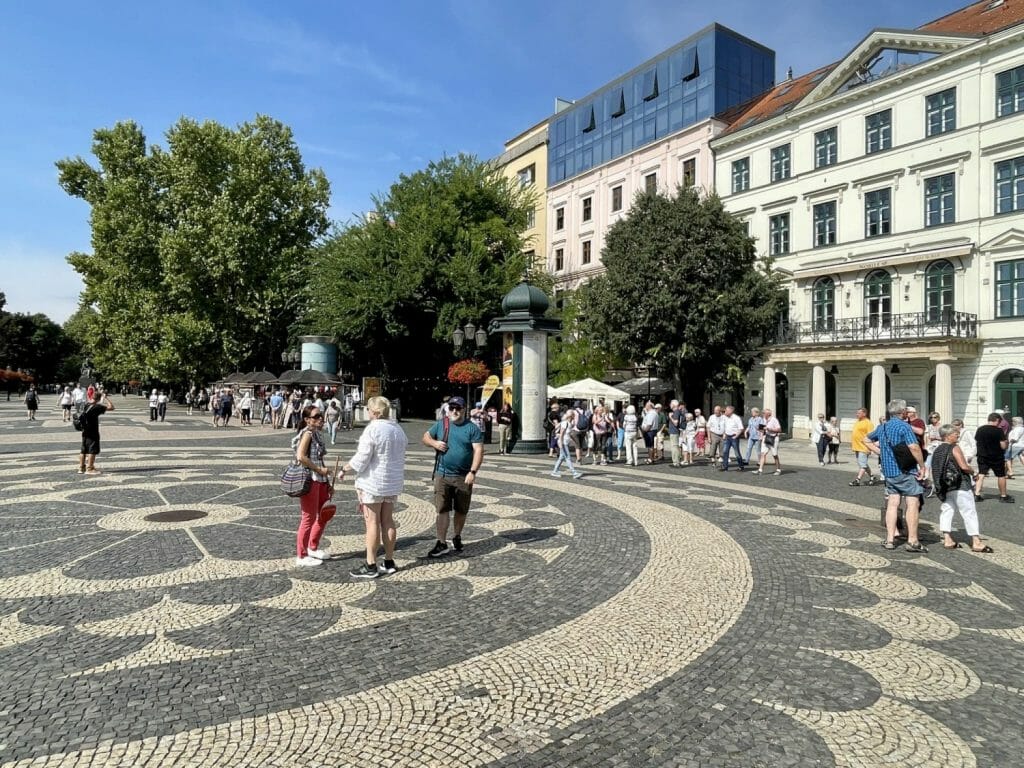
Travel Tips and Exploration
Discovering Must-See Places
After tackling my emotional well-being, I was eager to explore my new surroundings! Traveling helped me appreciate the beauty of the culture and landscape around me. Each weekend became an adventure as I discovered must-see places. Here are some favorites I stumbled upon:
- Local Landmarks : Be sure to visit the iconic sites. I loved spending a day at the historic castle; the views were breathtaking!
- Hidden Gems : Don’t overlook the lesser-known spots. A charming café tucked away in a narrow alley turned out to be my favorite retreat.
- Nature Escapes : Exploring nearby parks and nature reserves was refreshing. Hiking trails offered peaceful moments and fresh air.
Understanding Transportation Options
As my travel adventures expanded, understanding transportation options became crucial for navigating the area. I remember feeling a bit lost initially, but soon I discovered various ways to get around:
- Public Transit : Buses and trains were affordable and provided a sense of local life. I quickly became an expert in the local transit app!
- Biking : Many cities offer bike-sharing programs, which allowed me to explore at my own pace. Cycling along picturesque avenues was a joy!
- Ride-Sharing Services : For late-night outings or trips to remote spots, apps like Uber or local alternatives proved convenient.
By embracing new places and understanding transportation, I created unforgettable experiences that enriched my life abroad!

Legal Rights and Responsibilities
Knowing Your Rights as an Expat
As I continued my journey abroad, I quickly realized that navigating legal rights and responsibilities was essential for my peace of mind. I found it empowering to know my rights as an expat, especially since living in a different country comes with unique challenges. Here are key rights that all expats should understand:
- Right to Work : I ensured I had the correct work permits, knowing it’s my right to seek employment.
- Access to Services : Research local laws concerning access to healthcare, legal advice, and social services. Understanding these rights makes it easier to seek help when needed.
- Protection Against Discrimination : Many countries have laws that protect expatriates from discrimination based on nationality. Learning about these laws gave me confidence in my daily interactions.
Upholding Local Laws and Regulations
In parallel with knowing my rights, upholding local laws and regulations was equally important. I learned early on that being informed could prevent misunderstandings or legal issues. Here are some best practices I adopted:
- Research Local Laws : I made a habit of studying common regulations, especially those regarding driving, waste disposal, and pet ownership.
- Stay Informed : Subscribing to expat newsletters kept me updated on any changes in local laws affecting expatriates.
- Observe Cultural Norms : Understanding that local customs often tie into laws helped me navigate social situations respectfully. For instance, dress codes can be stricter than what I was accustomed to!
By actively knowing my rights and respecting local laws, I was able to enjoy my expat life with confidence, making the transition as smooth as possible!
No responses yet